
Many families hear the words "assisted living" and immediately think it is only for someone who is very old. Age can be part of the conversation, but it is not the whole conversation. Assisted living is really about support: does the person need help staying safe, clean, nourished, organized, and steady day to day?
Some residents need help for a short season. Some need longer-term support because daily life has become harder to manage alone. The right question is not "Is my loved one old enough for assisted living?" The better question is "What kind of assistance does this person need right now, and what setting can provide it safely and respectfully?"
What Assisted Living Actually Supports
In Texas, assisted living centers around personal care, supervision, meals, shelter, medication support, and help with daily needs. That can include assistance with bathing, dressing, grooming, meals, moving safely, medication routines, housekeeping, laundry, and general oversight of physical and mental well-being.
That kind of support can matter after a hospital stay, after a fall, during caregiver burnout, when medication routines become confusing, or when living alone no longer feels safe. It can also matter for someone who simply needs a calmer, more structured home environment.
Example 1: Short-Term Support After a Hospital Stay
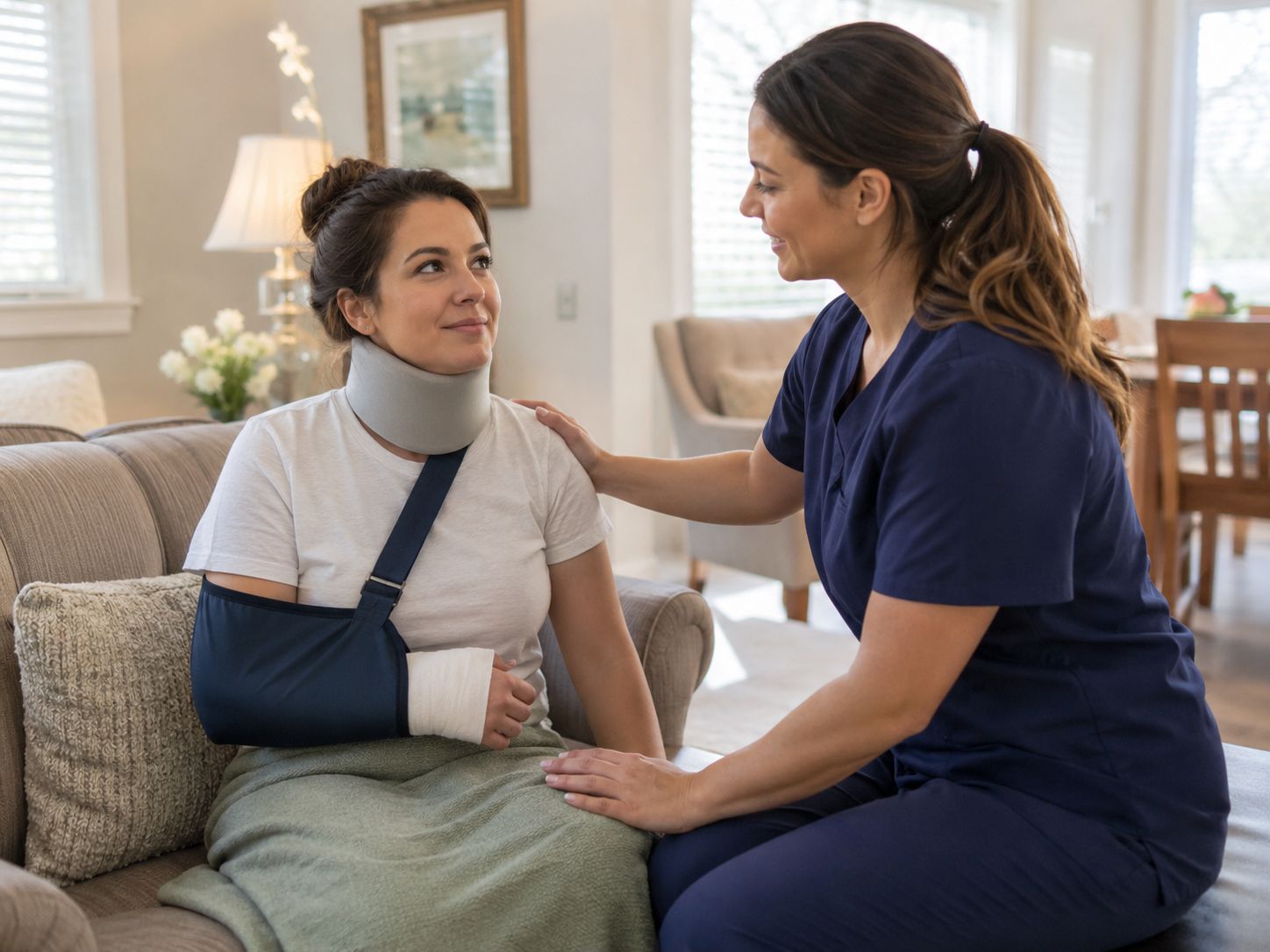
Imagine someone who has been discharged from the hospital after a fall, surgery, illness, or weakness. They may not need a hospital bed anymore, but going straight home may feel risky. They may need help getting dressed, preparing meals, remembering medications, walking safely to the bathroom, or rebuilding strength while home health or therapy services are involved.
In that situation, assisted living or respite care may serve as a bridge. The goal may be short-term stability: regular meals, medication reminders, help with personal care, supervision, and communication with family while the person regains confidence.
Example 2: Respite Care When a Family Caregiver Needs Relief
Sometimes the person receiving care is not the only one who needs support. A spouse, daughter, son, or relative may have been providing care every day for months. They may need to travel, recover from their own health issue, work through family responsibilities, or simply rest before burnout becomes a crisis.
Respite care can give the family a temporary support plan. The resident receives meals, help with daily routines, supervision, and a safe place to stay while the caregiver has time to breathe and reset.
Example 3: Longer-Term Help When Daily Life Becomes Too Hard Alone
Longer-term assisted living may be appropriate when small concerns become a pattern. Meals are skipped. Medications are missed. Falls become more frequent. Clothes are not changed. The house is not kept up. Appointments are forgotten. Family members begin checking in constantly because everyone feels uneasy.
In those cases, assisted living can provide a steadier routine. The person can still have dignity, privacy, preferences, and family involvement, but they are no longer trying to manage every daily task alone.
Example 4: Support for Someone Who Feels Isolated or Unsafe Alone
Some people do not need heavy medical care, but they do need presence. They may feel anxious at night, become isolated during the day, forget meals, or avoid bathing because they are afraid of falling. A small assisted living home can provide companionship, observation, meals, and a predictable rhythm.
This is where a home-like setting can be meaningful. Fewer residents can make it easier for caregivers to learn routines, notice changes, and support the person as an individual instead of treating care like a checklist.
Assisted Living Is Not the Same as a Nursing Home
Assisted living is not the right fit for every care need. Some people need skilled nursing, intensive medical monitoring, hospital-level treatment, or a different specialized setting. A trustworthy provider should be honest about what can and cannot be supported safely.
For many families, assisted living sits between living alone at home and needing a higher medical level of care. It supports daily life, supervision, personal care, meals, and family peace of mind while preserving as much independence as possible.
Questions Families Should Ask
- What daily tasks does my loved one need help with?
- Is the need short-term, long-term, or uncertain right now?
- Are medications being taken correctly and consistently?
- Is bathing, dressing, toileting, or mobility becoming unsafe?
- Is the family caregiver exhausted or unavailable?
- Would a smaller home feel calmer than a large community?
- What needs would make assisted living the wrong fit?
How A Place Called Home Looks at Fit
A Place Called Home was created for people who need support in a setting that still feels personal. Our DeSoto home is a fully licensed assisted living facility with fewer residents, which allows our team to learn routines, meals, mobility needs, medication schedules, personalities, and family preferences.
For many families, our DeSoto home may be the right fit now, and we are always glad to talk through timing, location, and care needs.
The Bottom Line
Assisted living is not only about being old. It is about needing the right kind of help at the right time. Sometimes that help is short-term after a hospital stay. Sometimes it is respite while a family caregiver rests. Sometimes it becomes a long-term home where daily life feels safer, calmer, and more supported.
If your family is unsure what level of help is needed, start with the person, not the label. What feels unsafe? What is being missed? What support would make each day steadier?
To talk through short-term or longer-term support, visit our services, learn about DeSoto assisted living, or contact A Place Called Home.