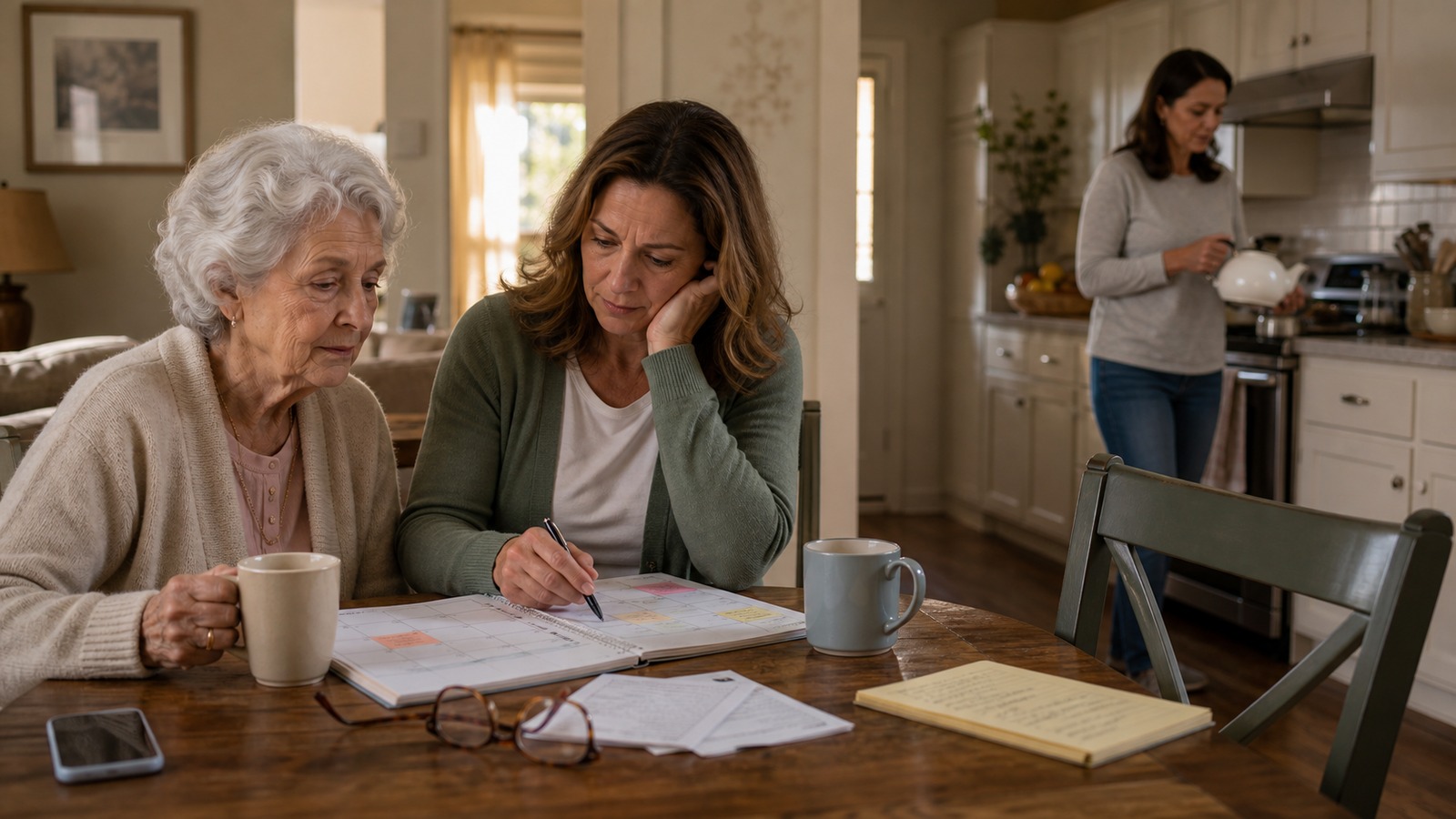
When families compare assisted living options, one common question is whether a smaller home-style setting or a larger community will provide better care. The right answer depends on the resident's needs, personality, and the level of daily support required.
This guide gives a practical side-by-side framework so families can choose based on care quality, not marketing claims.
What is boutique senior care?
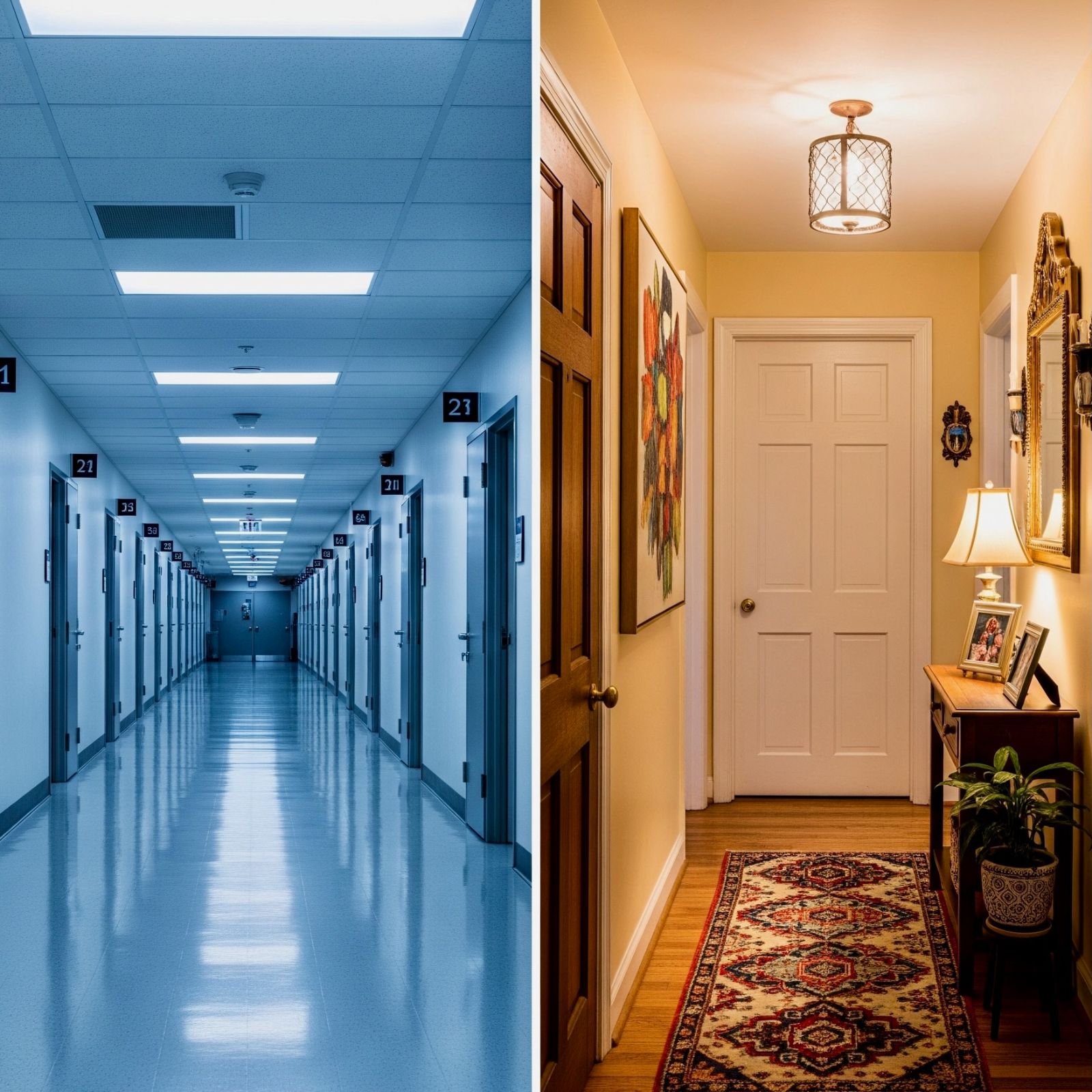
Boutique senior care usually refers to smaller residential settings with fewer residents, lower noise, and more individualized routines. Families often value consistency, relationship-based caregiving, and a home-like environment.
What are large assisted living communities?
Larger communities may offer broader amenities, larger activity calendars, and more onsite services. They can be strong options for seniors who want a busier social environment and greater program variety.
Key comparison areas
1) Caregiver attention
Smaller settings may provide more individualized daily oversight. Larger settings may require stronger self-advocacy from families to maintain consistency.
2) Environment and stress level
Residents sensitive to noise, confusion, or frequent staff turnover often do better in calmer, smaller environments.
3) Activities and amenities
Larger communities typically provide broader entertainment and amenity options. Smaller homes often focus on personalized routines and comfort.
4) Communication quality
In smaller settings, family communication can be more direct and frequent. In larger settings, communication quality depends heavily on operational discipline.
5) Pricing structure
Do not compare only base rates. Compare total monthly cost with expected care-level escalation over time.
Who usually benefits from boutique care?
- Seniors needing higher-touch daily support.
- Residents with mild cognitive decline who do better with routine stability.
- Families prioritizing calm environment and personalized attention.
Who may prefer larger communities?
- Seniors who are still highly independent and social.
- Residents who value larger event calendars and amenity variety.
- Families comfortable with a more complex operational environment.
Questions to ask both models
- How do you maintain consistent care quality across all shifts?
- How are medication and care-plan changes documented and shared?
- What happens when care needs increase?
- What is the realistic total monthly cost at current care needs?
Final takeaway
There is no universal winner between boutique and large communities. The best choice is the model that matches your loved one's care complexity, emotional comfort, and family communication needs.
Related resources: Services, Contact, All Blogs, DeSoto, Plano, Waxahachie.