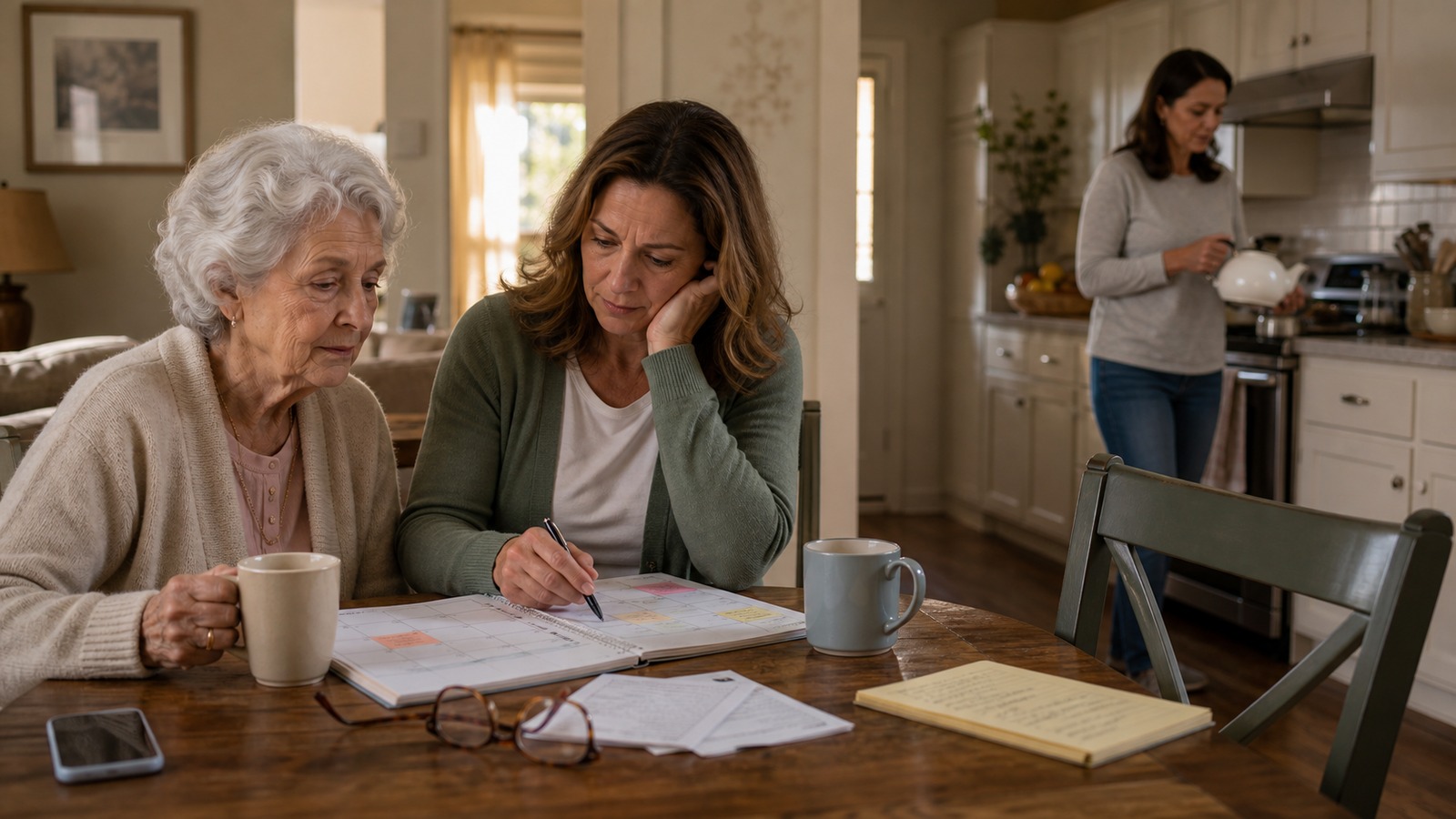
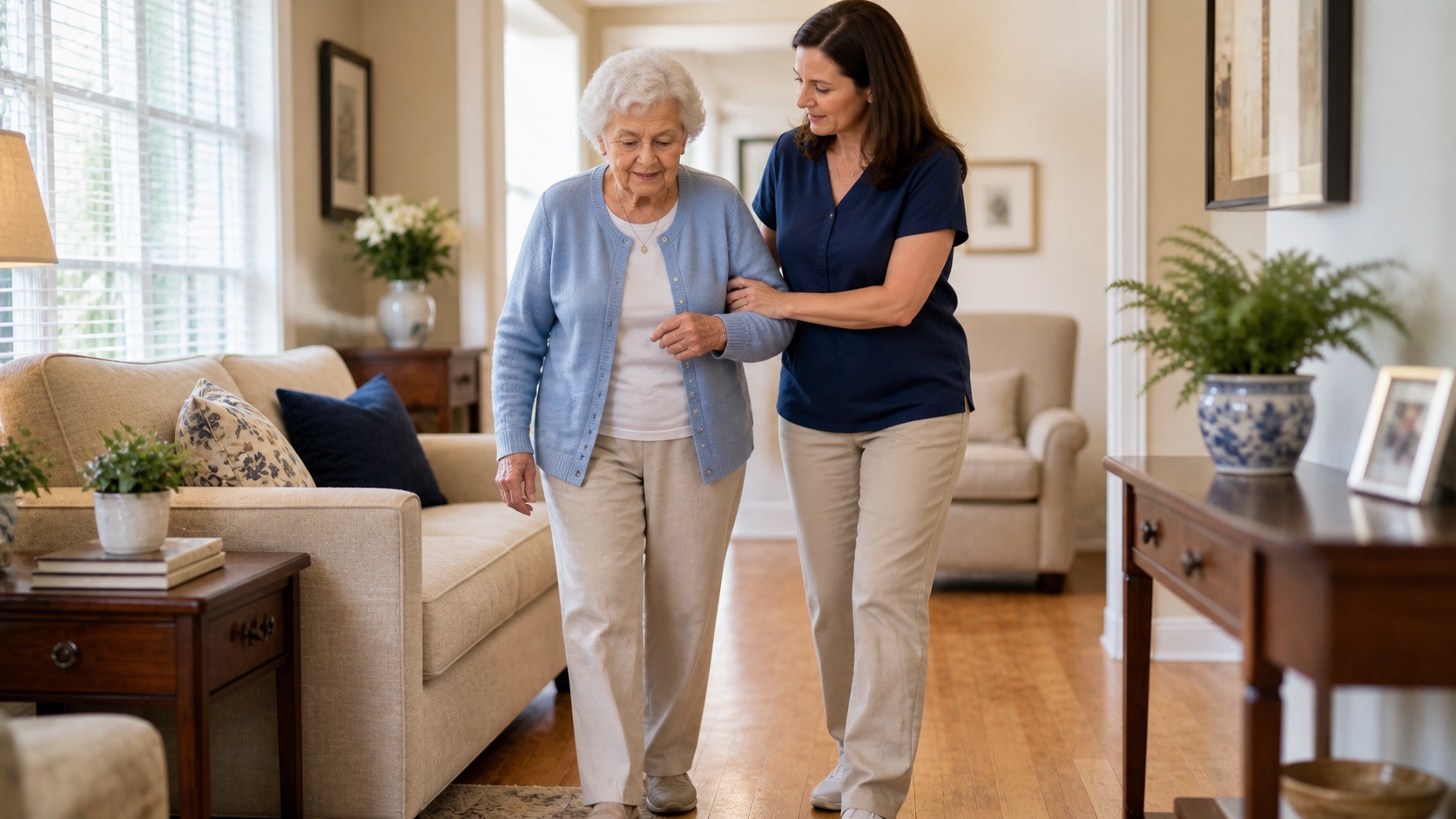
Most families do not start thinking about senior care because of one big decision. They start thinking about it because of small moments that begin to add up.
Mom grips the furniture when she walks across the room. Dad says he is "just being careful," but he has stopped going outside. A loved one has bruises they cannot clearly explain. The hallway feels too narrow for a walker. Laundry has become difficult. Meals are being skipped because standing in the kitchen feels tiring. Nobody is calling it a crisis yet, but the family can feel that something has changed.
Falls are one of the clearest warning signs that an older adult may need more daily support. A fall can happen in seconds, but the conditions that make it more likely often build over time. Weakness, poor balance, clutter, medication side effects, dehydration, vision changes, rushing to the bathroom, fear of asking for help, or simply living alone with fewer eyes on daily routines can all become part of the picture.
This is why fall awareness is not only about preventing one accident. It is about understanding whether home life still gives an older adult enough support to move through the day safely and confidently.
Why falls matter so much in older adulthood
The CDC identifies falls as a serious public health issue for older adults. Falls can lead to injuries, loss of confidence, reduced mobility, emergency room visits, hospitalization, and a greater need for long-term support.
The numbers are sobering. CDC data shows that millions of older adults report falling each year, and a 2025 National Center for Health Statistics data brief found that fall death rates among adults age 65 and older rose significantly from 2003 to 2023. That does not mean families should live in fear. It means falls deserve attention before they become part of a repeating pattern.
A single fall can change how a person moves through the world. Even when there is no major injury, an older adult may become afraid to walk, shower, get dressed, or leave the house. That fear can lead to less activity. Less activity can lead to weaker muscles. Weakness can make another fall more likely. The cycle can be hard to break without steady support.
A fall is often a clue, not the whole story
Families sometimes hear, "I tripped," and stop there. Sometimes that is true. Anyone can trip. But when an older adult falls, it is worth asking what else was happening around that moment.
Was the person tired? Had they eaten? Were they drinking enough water? Was the room dark? Were they rushing to the bathroom? Were shoes loose or slippery? Was a rug curled up? Had a medication changed? Was there dizziness when standing? Was the person carrying laundry, dishes, or groceries? Was the phone ringing across the room?
These questions matter because fall prevention is usually not one fix. The CDC's fall prevention guidance focuses on several practical steps, including talking with a healthcare provider, reviewing medicines, checking vision and feet, staying active when appropriate, and making the home safer.
For families, the larger question is simple: does your loved one have enough help to follow through on those steps every day?
Signs families should take seriously
Not every sign looks dramatic. Often the early warnings are quiet. A loved one may not say, "I am afraid I will fall." They may simply begin changing their habits.
Watch for patterns such as:
- Holding walls, furniture, or counters while walking.
- Standing up slowly because of dizziness or unsteadiness.
- Bruises, scrapes, or soreness without a clear explanation.
- More time spent sitting because walking feels stressful.
- Skipping showers or baths because the bathroom feels unsafe.
- Wearing unsafe shoes, socks, or slippers around the house.
- Cluttered walkways, loose rugs, poor lighting, or cords across floors.
- Getting up often at night to use the bathroom.
- Forgetting assistive devices or refusing to use them.
- Family members feeling the need to check in more often but still feeling uneasy.
These signs do not automatically mean assisted living is the only answer. They do mean the current routine needs a closer look. Sometimes changes at home help. Sometimes physical therapy, medication review, better lighting, grab bars, or family support make a big difference. Other times, the issue is that the person needs more consistent help than family can realistically provide.
The hidden effect of fear after a fall
One of the hardest parts of a fall is what happens afterward. Families may focus on the injury, but the emotional impact can be just as important. After a fall, many older adults become more cautious. That caution is understandable, but it can quietly shrink daily life.
A person may stop walking to the mailbox. They may stop joining family events because steps or long hallways feel intimidating. They may avoid bathing unless someone is nearby. They may eat less because they do not want to stand in the kitchen. They may spend more time in one chair because moving around feels risky.
That loss of confidence can affect strength, appetite, mood, sleep, and independence. A good care plan should not only ask, "Did anyone fall?" It should also ask, "Is this person still moving, eating, bathing, dressing, and participating in daily life with confidence?"
Why daily routines matter
Fall awareness is closely tied to ordinary routines. Meals, fluids, medication timing, sleep, bathing, toileting, shoes, lighting, and movement all matter. A person may be safer in the morning and less steady by late afternoon. They may move well after breakfast but become weak if they skip lunch. They may be fine walking slowly but unsafe when rushing.
This is where families often feel the strain. A daughter may call every evening, but she cannot see whether the hallway is cluttered. A son may visit on weekends, but he may not know whether Mom is dizzy on Tuesday morning. A neighbor may check in, but not enough to notice subtle changes in balance, appetite, or confidence.
Falls are often connected to the rhythm of the day. If that rhythm is becoming too fragile, more support may be needed.
How assisted living support can fit into the conversation
Assisted living cannot promise that a person will never fall. No honest care setting should make that promise. Older adults can fall in any environment.
What assisted living can provide is a more supported daily routine. In a residential assisted living home, caregivers can notice changes that may be missed during phone calls. They can see whether a resident is eating, drinking, walking differently, avoiding activities, struggling with personal care, or needing reminders. They can help keep common spaces clear, support bathing and dressing, encourage regular meals, and communicate concerns to family.
For some families, this is the real value: fewer guesses. Instead of wondering whether a loved one is managing the day alone, there are people nearby who know the resident's normal patterns and can respond when something changes.
A smaller assisted living home may be especially helpful for families who want a calmer setting. Shorter walking distances, familiar rooms, familiar caregivers, and a home-like rhythm can make daily support feel less overwhelming than a large campus. The right fit still depends on the person's care needs, mobility, health conditions, and the facility's ability to support them safely.
Questions to ask after a fall or near fall
If your loved one has fallen, nearly fallen, or started acting more cautious, try asking specific questions. General questions often get general answers. "Are you okay?" may lead to "I am fine," even when the situation needs attention.
Better questions include:
- Where were you when it happened?
- What were you doing right before?
- Were you dizzy, weak, or rushing?
- Had you eaten or had water that day?
- Were the lights on?
- What shoes were you wearing?
- Were you using your cane, walker, or handrail?
- Did any medication recently change?
- Are you now avoiding anything because you feel unsure?
- Do you feel safe bathing, dressing, cooking, and walking to the bathroom?
Families should also involve healthcare professionals when falls, dizziness, weakness, confusion, or medication concerns are present. A physician, pharmacist, physical therapist, occupational therapist, or other qualified professional can help identify medical and functional factors that need attention.
Practical home checks families can do
Some fall concerns can be reduced with practical changes. Walk through the home slowly and look at it through the eyes of someone with weaker balance or slower reflexes.
Start with the walking paths:
- Remove loose rugs or secure them properly.
- Clear cords, clutter, shoes, baskets, and small tables from walkways.
- Improve lighting in hallways, bathrooms, bedrooms, and entry areas.
- Keep frequently used items within easy reach.
- Make sure chairs are stable and easy to stand from.
Then look at daily routines:
- Check whether bathing feels safe.
- Ask if getting dressed is becoming difficult.
- Watch whether meals are being skipped.
- Notice whether the person avoids stairs or certain rooms.
- Make sure shoes fit well and have supportive soles.
- Ask whether nighttime bathroom trips feel safe.
These changes can help, but they are only part of the picture. If your loved one still needs frequent reminders, hands-on help, or regular supervision, environmental changes may not be enough by themselves.
When falls point toward a bigger care decision
Families often wait for a major emergency before considering assisted living. But waiting can make the decision harder. If falls or near falls are becoming part of the family's worry, it may be time to talk sooner.
Consider a deeper care conversation if:
- Your loved one has fallen more than once.
- They are afraid to bathe, cook, or walk through the home alone.
- They are skipping meals or drinking less because movement is difficult.
- Family members are constantly checking in but still feel unsure.
- Medication routines, appointments, or daily care tasks are becoming inconsistent.
- The home layout no longer fits the person's mobility.
- Your loved one is becoming isolated because leaving home feels difficult.
The goal is not to take independence away. The goal is to protect as much independence as possible with the right amount of support. Sometimes the most independent thing a person can do is accept help before a crisis forces the issue.
How A Place Called Home thinks about everyday support
A Place Called Home was created for families who want care that feels personal, calm, and familiar. Our licensed DeSoto assisted living home is intentionally small, which helps caregivers learn each resident's routines, preferences, and normal daily patterns.
That matters because fall awareness depends on noticing change. Is someone walking differently today? Eating less? Avoiding the bathroom? Moving more slowly after a poor night of sleep? Hesitating in a hallway that used to feel easy? In a smaller home setting, those details can be easier to see and respond to.
Families in DeSoto, Duncanville, Cedar Hill, Lancaster, Red Oak, and nearby communities may reach a point where living alone no longer feels steady enough.
If your family is beginning to worry about falls, near falls, or daily safety, it may be time to talk through what support would actually help. Not every family needs assisted living right away. But every family deserves a clear, honest conversation before a crisis makes the choice for them.
The bottom line
Falls are not just accidents to forget about once the bruises fade. They can be signals that an older adult's daily routine needs more support. The best response is calm, practical, and early: look at the home, look at the routine, ask better questions, involve healthcare professionals, and be honest about whether your loved one has enough help.
At A Place Called Home, we believe senior care should feel human. That means seeing the person, not only the problem. It means paying attention to the small daily details that help someone feel safe, known, and supported.
To learn more, visit our services, read about our DeSoto assisted living home, or contact A Place Called Home to talk through your family's needs.